

Wellness & Health Services Industry Report
A comprehensive analysis of M&A activity, transaction trends, and market dynamics in the wellness and health services sector.
Published: January 15, 2026 | Second Half 2025 Review
Key Takeaways
Strong Transaction Volume
The wellness and health services sector saw 247 transactions in 2H 2025, representing a 15% increase year-over-year[1].
Platform Consolidation Continues
Private equity-backed platforms completed 89 add-on acquisitions, accelerating roll-up strategies in behavioral health and urgent care[2].
Valuation Multiples Stabilize
Median EV/EBITDA multiples for quality assets settled in the 10.5x12.5x range, down from peak levels but reflecting sustained investor appetite.
Digital Health Integration
Telehealth and virtual care capabilities remained a top priority, with 62% of acquired companies offering hybrid service delivery models.
Regulatory Tailwinds
Favorable reimbursement policies and workforce development initiatives supported continued investment in outpatient and home-based care settings.
Rising Debt Costs
Higher interest rates increased financing costs, prompting buyers to emphasize operational efficiency and cash flow generation in target selection.
What to Know
- The 2020s are marked by the digitization of health care and wellness, from telehealth online doctor visits to subscription-based fitness trackers like Whoop and Oura that provide consumers with access to health and lifestyle data that is collected 24/7.
- Following this digitization and consumerization of health and wellness, acquirers are increasingly looking for technologies that bridge the gap between medical diagnostic tools and consumer devices.
- Online, health and wellness influencers are finding engaged audiences, and marketers have noticed as influencers reach younger, more free-spending generations while promoting healthy lifestyles, mental health self-care, even diet and nutrition.
- Fueled by marketing, functional food and beverage products that allow consumers to integrate wellness into everyday habits have exploded in popularity. Perhaps the most notable example of this is probiotic sodas such as Olipop and Poppi, brands that have successfully disrupted the soda market by positioning their sodas as digestive health products.
- Med spas and aesthetic clinics, which offer services such as Botox and Red Light Therapy, have become resilient sub-sectors in M&A because they operate high-margin businesses on a cash-pay basis, bypassing the headaches of insurance reimbursement. Coupled with growing demand, including from younger consumers looking for preventative aging solutions, private equity is increasingly active in consolidating the space.
How SDR Can Help
Our healthcare services team provides comprehensive M&A advisory, valuation, and strategic consulting services. Whether you're exploring a sale, seeking growth capital, or evaluating acquisition targets, we bring deep sector expertise and a proven track record.
Contact our teamConsumer, Heal Thyself: The Self-Care and Wellness Revolution
Telehealth, wearables, supplements, and self-care needs appear to be driving a renewed wellness market. Since Apples App Store named the self-care category its trend of the year in 2018, self-care has grown into a $1.8 trillion global market, including spas, exercise, personal care and beauty, wellness tourism, and biomonitoring.
Meanwhile, digital healthcare, whether on-screen or on your body, may be the future of care. The National Institutes of Health reports Healthcare is undergoing a profound transformation driven by digital solutions, including AI and conversational agents such as ChatGPT reshaping the way care is delivered. Remote care models including skin scanning apps, remote monitoring, biomarker data analysis, smart scales, and even smart toilets threaten to upend care as weve known it for decades.
Even more intriguing than how we connect with care is the drive to self-care built on DIY monitoring and online influencer encouragement. And there is an emerging trend, attracting younger people, of getting baby Botox injections to smooth skin and blur even the hint of a wrinkle. This isnt the traditional middle aged or older crowd yearning to look a little younger, these are people in their 20s and 30s seeking micro treatments, maybe a few times a year, and willing to pay north of $400 for a quick tune up.
Even more intriguing than how we connect with care is the drive to self-care built on DIY monitoring and online influencer encouragement. And there is an emerging trend, attracting younger people, of getting baby Botox injections to smooth skin and blur even the hint of a wrinkle. This isnt the traditional middle aged or older crowd yearning to look a little younger, these are people in their 20s and 30s seeking micro treatments, maybe a few times a year, and willing to pay north of $400 for a quick tune up.
The number of so-called med spas, where clients can mix and mingle traditional spa treatments with medical injections and laser hair removal, were up more than 200% from 2010 to 2023, and that number is growing. Think of it as going to the nail salon for a mani-pedi, along with a Botox injection. Are there doctors, or even medically trained professionals, in these strip-mall spots? Maybe - it depends on individual state rules. Regardless of the regulatory environment, investors are flocking to the highly fragmented, cash payment, recurrent revenue wild west in the $30 billion medical aesthetics market.
The Computer Will See You Now: Digitizing Health Care
The days of reading year-old Sports Illustrated magazines in your doctors waiting room may be at an end. Building on momentum from the COVID-19 pandemic, the practice of telehealth, meeting with doctors through a computer screen, continues to surge. Everything from online consultations to medical apps to remote health monitoring is experiencing growth. Patients like the convenience, and investors like the returns.
Teladoc Health, a publicly traded global leader in virtual healthcare, provides services to more than 40,000 clinicians in primary care, behavioral health, and chronic disease management servicing more than 93 million patients. In 2025, Teladoc acquired virtual preventive care company Catapult Health for $65 million, mental health care provider UpLift for $45 million, and British teleconsultation company Telecare for an undisclosed sum.
All this to say that healthcare is being digitized at an astounding rate. Consumer acceptance and adoption of digital visits and care rose from 11% in 2019 to 46% 2021, a product of the pandemic. The digital pharmacy market is growing at 14% year-over-year. Two out of three physicians report using AI in their practice, up 78% from 2023. The global telemedicine market was estimated at $130 billion in 2023 and is expected to reach $504 billion by 2032, a compound annual growth rate (CAGR) of more than 16%.
Renewed emphasis on wellness and the ongoing rise of such chronic ailments including diabetes, hypertension, heart disease, and others is driving not only demand for convenient online doctor check-ins, but also the evolving wearable market including smartwatches, ECG patches, fitness trackers, and biosensors that help patients not only monitor and improve their own health but can also transmit data automatically to doctors, reducing the need for in-person visits. The global wearables market is booming with a CAGR of 25%, expected to reach $168 billion by the end of this decade. More and more metrics are being tracked, and often come with AI insights built in. Simply counting your steps with a Fitbit is so 2009.
Psst! Influencers and Marketing
For health and wellness brands, online influencers both with and without credentials and education that have massive, engaged communities of viewers allow for targeted campaigns for subscription wellness programs, supplements and functional food and beverage products, fitness apps, and wearables. Key targets are the younger Gen Z and Millennial generations who are both prioritizing wellness and spending disproportionately more on wellness products.
Marketers and brands have noticed the overall interest in health and wellness expanding beyond traditional wellness products to other areas including food, beauty, workplace benefits, even financial products. Fancy a shot of functional nutrition with turmeric, ginger, or extra protein on your next visit to Starbucks? The coffee king added these to the menu in 2025.
When nearly 85% of Americans say wellness is a top priority, no marketer (or acquirer) can resist. Nutrition, sleep, mental wellbeing, beauty, fitness, and health all fit neatly under the wellness umbrella. Food and beverage makers have stepped right in to promote and label offerings as high protein and fiber rich, while a new class of companies have emerged that take a legacy, often "unhealthy" staple, and re-engineering it with a specific benefit. In the Olipop and Poppi example above, these companies have positioned a "vice" (soda) as a "virtue" (digestive health). This proved fruitful for more than just consumer gut health. In May of 2025, Poppi was acquired by PepsiCo for $1.95 billion, providing strong returns for the brands private equity backers.
Supplementing the Bottom Line: Mergers & Acquisitions
- In March, Herbalife a household name in health and wellness made a big move acquiring digital wellness entry Pro2col Health along with direct-to-consumer ketone supplement provider Pruvit. Herbalife also added a 51% stake in Link BioSciences, which processes biometrics, biomarkers, and DNA and lifestyle data. Link will provide the data from Pro2col to create personalized nutritional supplement regimens for Herbalife consumers. The combined deals were estimated at between $25 million and $30 million. Announcing the moves, Herbalife President and CEO Stephan Gratziani said, in a news release, By acquiring and leveraging Pro2cols personalized digital technology, along with Link BioSciences manufacturing capabilities, Herbalife will be providing our expansive network of distributors with unique opportunities to expand their customer base through a personalized health, wellness and nutrition platform These investments further accelerate our vision to modernize our business and represent a belief in our business model that better positions us to become the worlds premier health and wellness company, community and platform.
- Speaking of DIY home healthcare, consumer healthcare titans Kimberly-Clark (Kleenex, Huggies) and Johnson & Johnson 2021 spinoff Kenvue (Band-Aid, Benadryl, Tylenol) agreed to a deal with an implied buyout of Kenvue worth nearly $50 billion. The deal creates an absolute market monster in the home health market involving 10 billion-dollar brands that reach nearly half of the worlds population, making it the worlds second largest health and wellness consumer product provider behind only Procter & Gamble.
- While neither merger nor acquisition, Finnish health tech up-and-comer Oura Health, maker of the Oura health monitoring, digitally connected smart ring, in October raised an additional $900 million in E-series funding from lenders led by Fidelity Management & Research. The ring maker estimates the infusion brings the company value up to about $11 billion. The company says it will put the new investments to work on AI integration, new features for its monitoring services, and greater worldwide distribution. Since its founding a decade ago, Oura has sold an estimated 5.5 million smart rings, good for about 80% of the smart ring market. Oura Chief Commercial Officer Dorothy Kilroy said women in their early 20s are becoming a leading market for the ring. The company is also reportedly developing a health testing app that allows users to book blood tests at Quest Diagnostics labs and upload results for analysis through AI, pitting Oura against emerging competitors Whoop, Ultrahuman, and Samsung.
The Future? Whats Your Smart Ring Say?
- Looking ahead, well see what has staying power and whats a fad (like our poor old friend Peloton, the darling of the COVID era). Is the GLP-1 weight loss boom going to last? The FDA closed out 2025 by approving a Wegovy version that can be taken as a pill, reducing the need for injections and making the drugs use easier.
- Are wearables just a trend, or will their use expand further into new areas including addiction recovery? The American College of Sports Medicine calls wearables the number one trend to watch in 2026 with one expert sharing some concerns explaining, While some data is useful and accurate, some metrics may be experimental or unreliable.
- Consumers have a lot coming at them and plenty of choices. We are optimistic about the emerging opportunities across the sector, but spotting the next big thing is never easy, whether thats in functional nutrition and gut health, healthy foods, skin care and beauty, weight management, or mental health. There may be no sector as broad reaching and as personally relevant to consumers than health and wellness. But acquiring investors taking the time to identify brands that found the right niche and engaged customers, we believe opportunities abound.
Transaction Activity
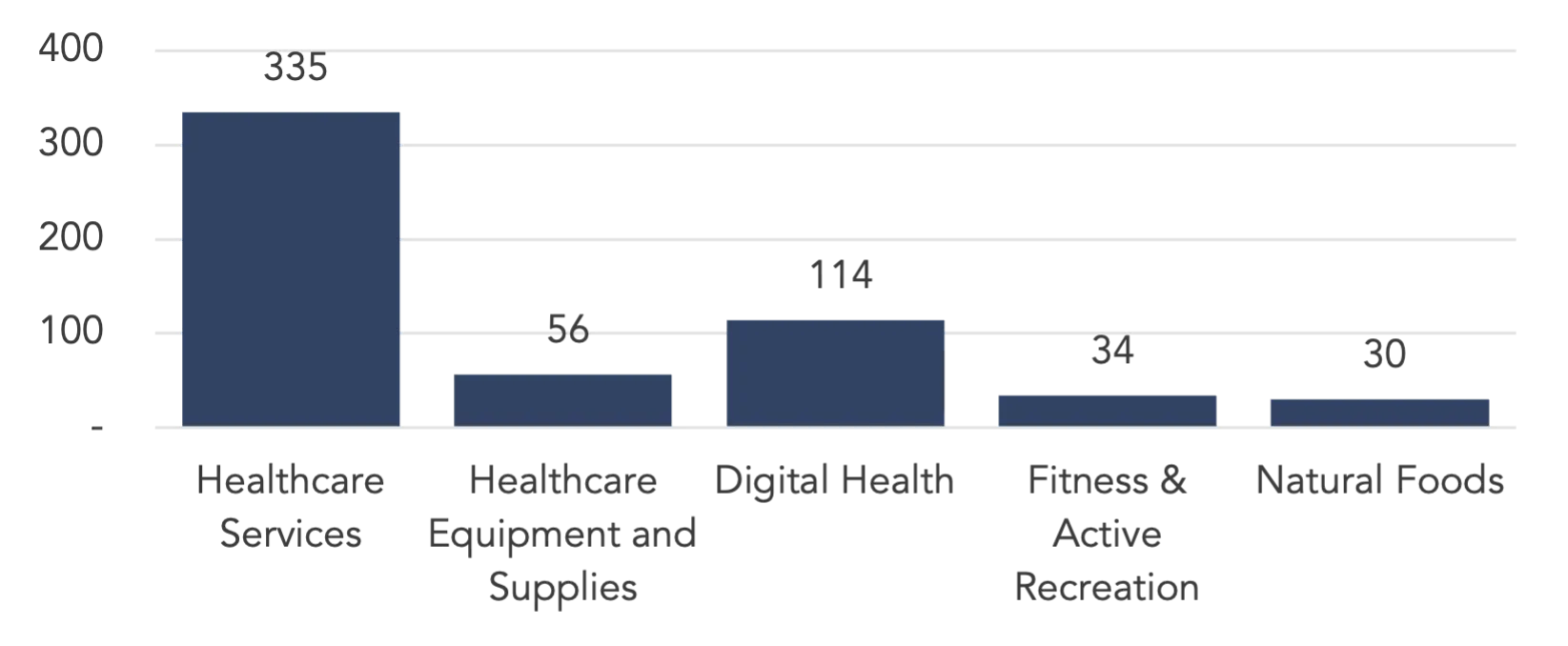
Transaction volume in the wellness and health services sector totaled 247 deals in 2H 2025, marking a 15% increase compared to the same period in 2024. This uptick reflects sustained demand from strategic and financial buyers seeking to capitalize on favorable industry fundamentals.
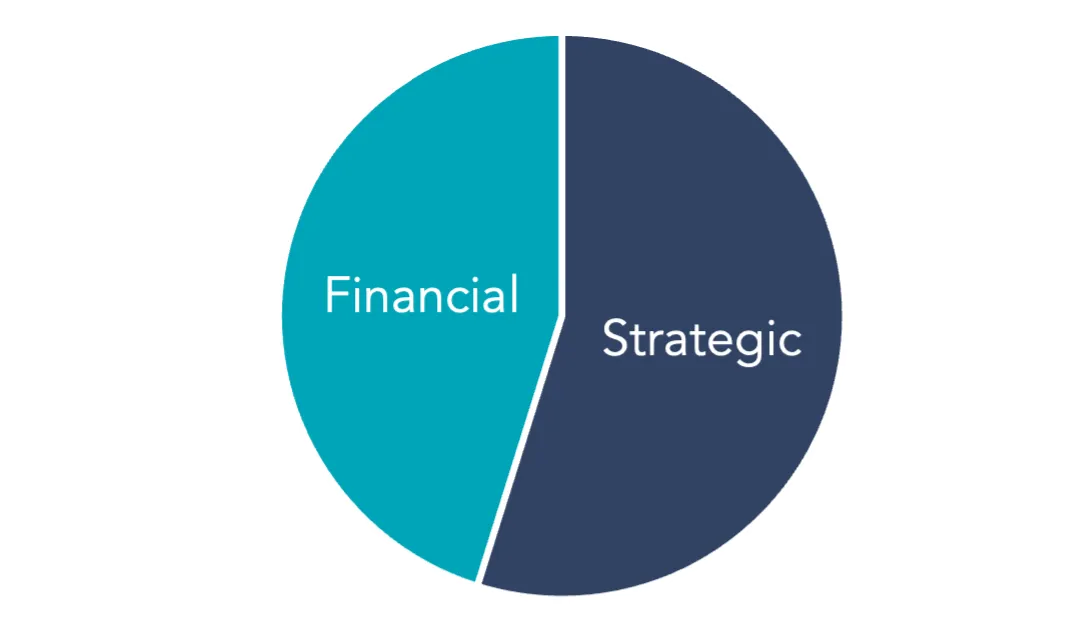
Behavioral health services led subsector activity with 67 transactions, followed by urgent care (42 deals), home health and hospice (38 deals), and specialty outpatient services (35 deals). Platform acquisitions accounted for approximately 36% of total volume, with add-on acquisitions representing the remaining 64%.
TRANSACTIONS BY SEGMENT
TRANSACTIONS BY TYPE
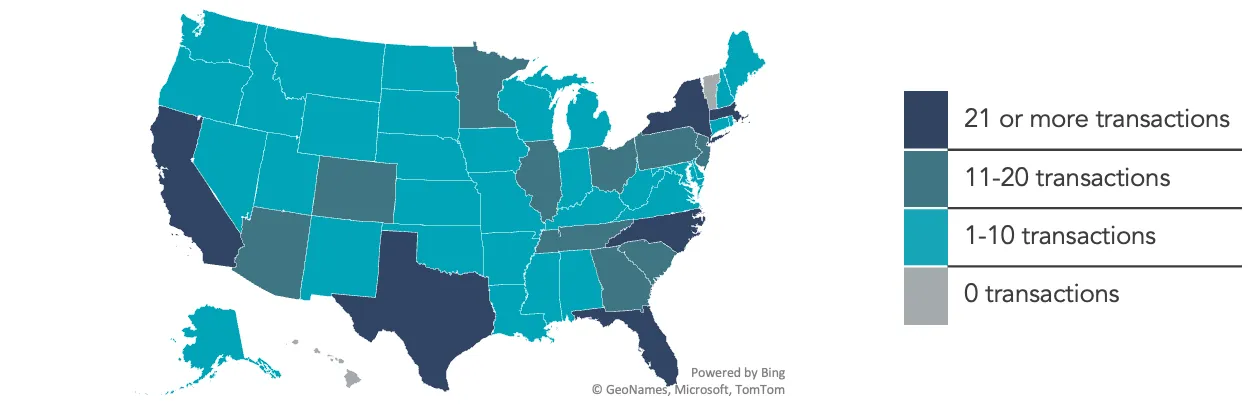
TRANSACTIONS BY LOCATION
Transaction Activity
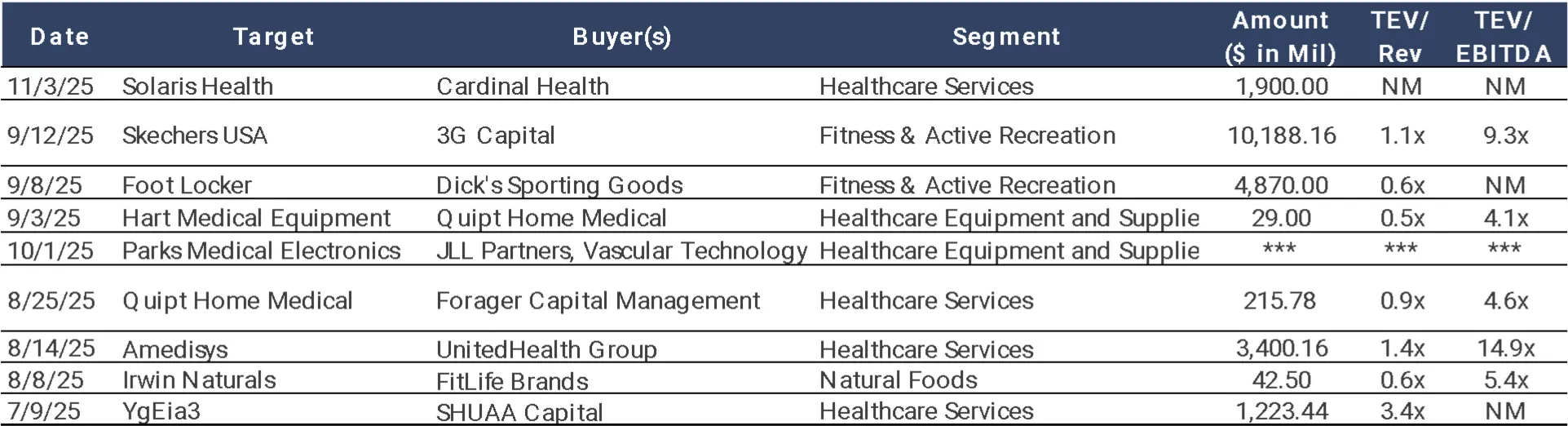
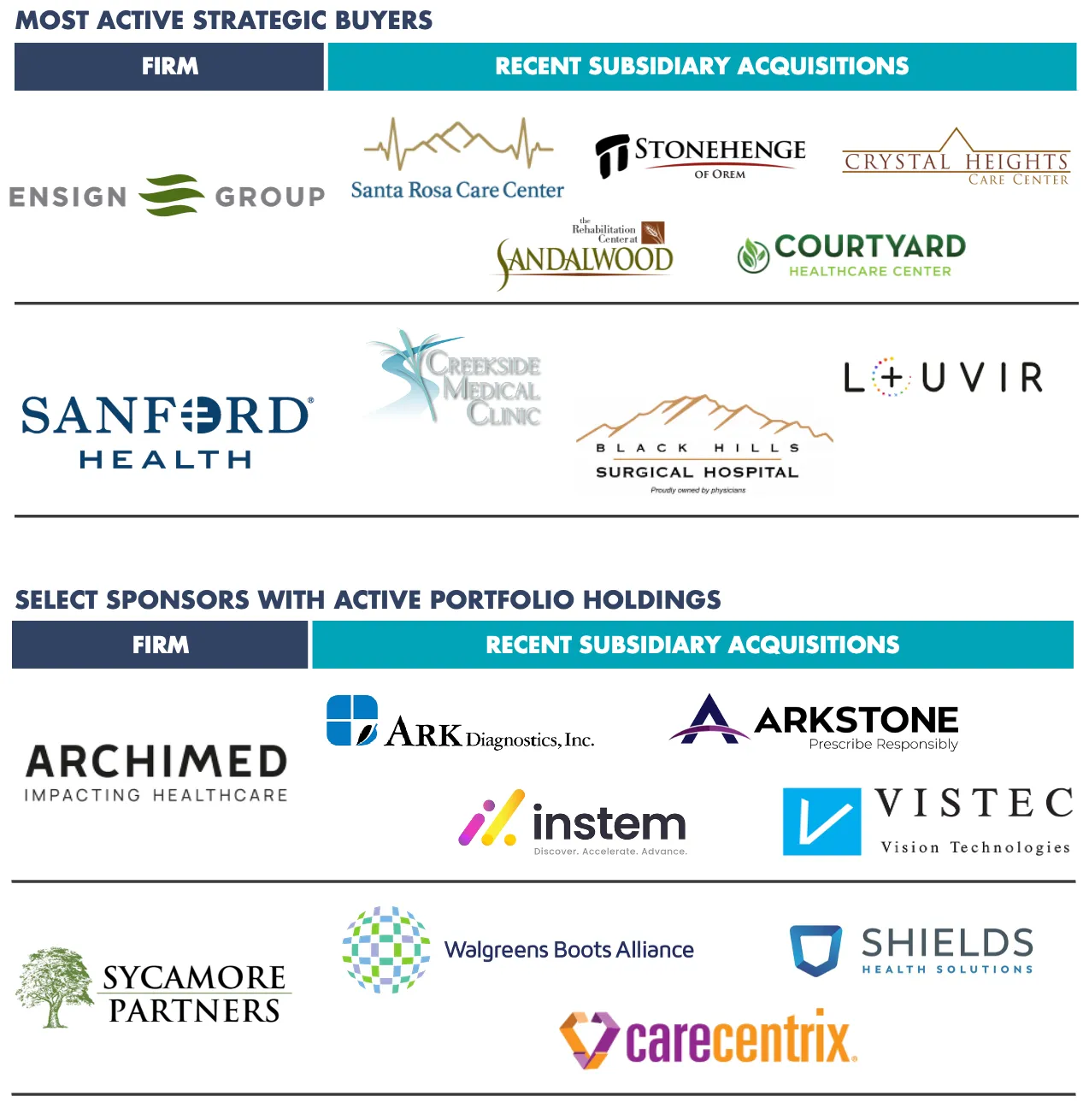
Active Buyers
Active Buyers
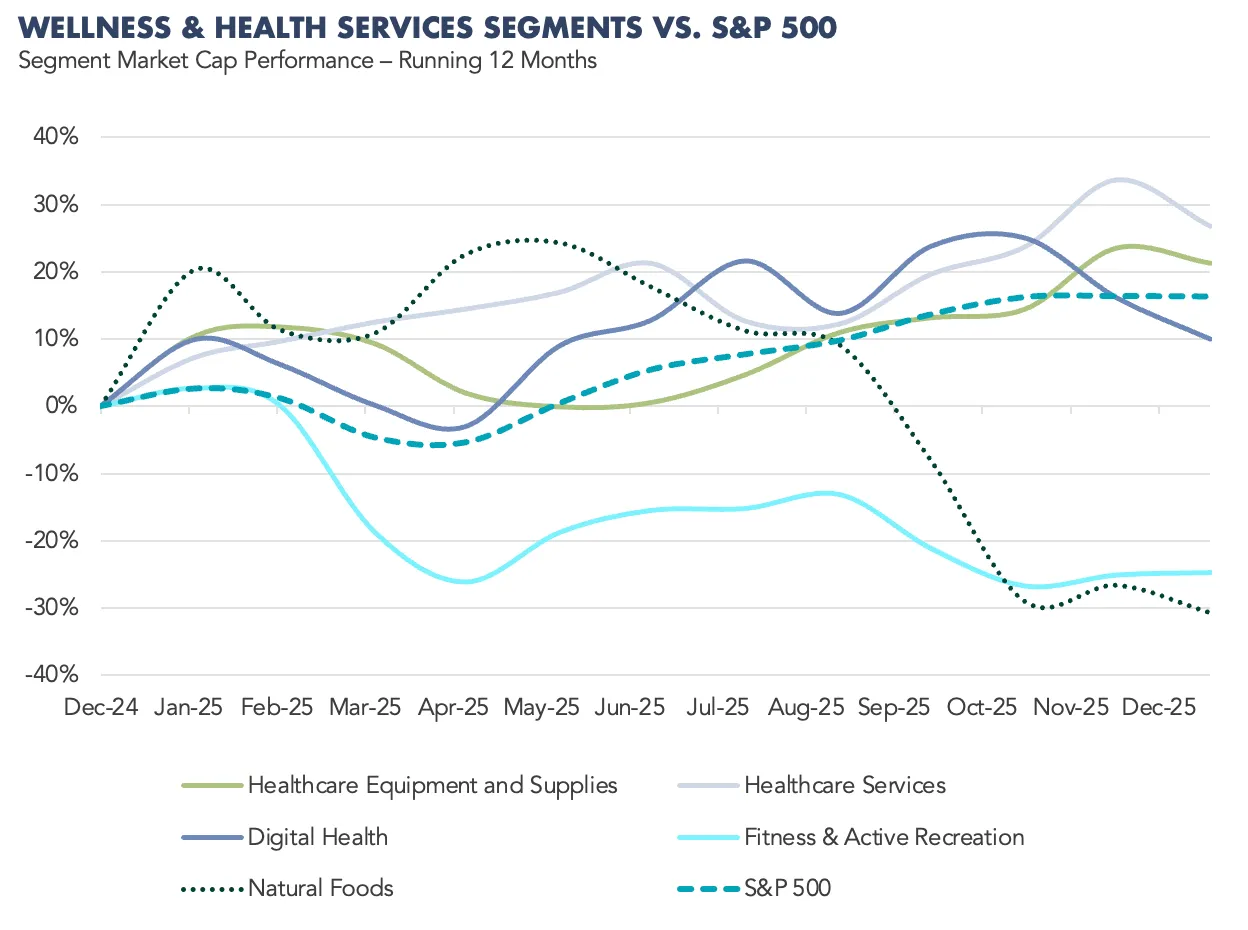
Public Basket
Wellness & Health Services Segments VS. S&P 500
Get More Industry Insights
Subscribe to receive exclusive reports, analysis, and updates delivered directly to your inbox.
We respect your privacy. Unsubscribe at any time.
About SDR
SDR is a leading middle-market investment bank specializing in mergers and acquisitions, capital raising, and strategic advisory services. With deep expertise in healthcare services and related sectors, we help business owners, management teams, and investors navigate complex transactions and achieve their strategic objectives.
Our healthcare services team has completed over 150 transactions representing more than $12 billion in aggregate transaction value. We combine sector knowledge, relationships with strategic and financial buyers, and a disciplined process to deliver exceptional outcomes for our clients.
Our Services
Mergers & Acquisitions
Comprehensive buy-side and sell-side advisory for middle-market healthcare services companies. We manage every aspect of the transaction process from initial valuation through closing.
Capital Raising
Growth equity, recapitalizations, and debt financing solutions tailored to your business objectives. We access a broad network of private equity funds, family offices, and debt providers.
Strategic Advisory
Valuation opinions, fairness opinions, and strategic alternatives analysis. We provide independent, objective advice to support critical decision-making.
Industry Research
In-depth sector reports, market intelligence, and transaction analysis. Our research team tracks M&A trends, valuation benchmarks, and emerging opportunities.
Contacts

Scott Mitchell
Managing Director, Wellness & Health Services Team

Koen Browning
Vice President, Wellness & Health Services Team

References
- [1] "The $65 Billion Pulse: How Wearable AI and Telemedicine are Redefining the Future of Healthcare," WRAL News via Market minute, Dec. 24, 2025.
- [2] "Healthy Sodas Like Poppi, Olipop Are Drawing PepsiCo's and Coca-Cola's Attention," Bloomberg, Deena Shanker, Apr. 25, 2025.
- [3] "M&A Sector Spotlight: Healthcare," Dykema, accessed Dec. 31, 2025.
- [4] "Health Care Industry Tends to Watch in 2025," Cornell University Brooks Public Policy, staff, Oct. 22, 2025.
- [5] "2025 Is Shaping Up To Be a Year of Self-Care. Call It the White Lotus Effect," Inc., Ali Donaldson, Mar. 21, 2025.
- [6] "The Future of Healthcare Is Digital: Unlocking the Potential of Mobile Health and E-Health Solutions," National Institutes of Health, Center for Biotechnology Information, Daniele Giansanti, Apr. 3, 2025.
- [7] "How the Rise in Digital and Home Healthy Will Transform Healthcare," Gensler, Bony Slater and Randy Guillot, Mar. 25, 2025.
- [8] "Top 60 Botox Influencers in 2025," FeedSpot, staff, Dec. 7, 2025.
- [9] "The Rise of TikTok Facial Filler Influencers, Implications for Demand and Practice," Skin, The Journal of Cutaneous Medicine, Sheila Sharifi et. al., Jan. 2025.
- [10] "With 'Baby Botox,' Young Adults Strive to Keep Wrinkles From Ever Forming," NPR, Sarah Boden, Nov. 17, 2025.
- [11] "The Country Is in the Middle of a Med Spa Boom," Marketplace, Kai Ryssdal and Sean McHenry, Feb. 27, 2025.
- [12] "Betting on the Face Card: Building Out Aesthetic Healthcare Brands," Middle Market Growth, Anastasia Donde, Oct. 22, 2024.
- [13] "An Analysis of Telehealth in a Post-Pandemic Rural, Midwestern Community: Increased Comfort and a Preference for Primary Care, National Institutes of Health Center for Biotechnology Information, Chase Salmon et. al., Feb. 2025.
- [14] "The Future of Telemedicine and How It Impacts Healthcare Careers," Hawaii Medical College, accessed Dec. 27, 2025.
- [15] "When Did Telehealth Become Popular," Brain Health Center USA, staff, Oct. 30, 2025.
- [16] "Investing in Telemedicine and Telehealth Stocks," The Motley Fool, Keith Speights, Nov. 28, 2025.
- [17] "Teladoc Health Acquires Catapult Health for $65M to Boost Chronic Condition Management, At-Home Testing," Fierce Healthcare, Emma Beavins, Feb. 5, 2025.
- [18] "Telecare Company Profile," Aug. 19, 2025.
- [19] "Online Pharmacies: A Double-Edged Sword," National Institutes of Health Center for Biotechnology Information, staff, Feb. 24, 2025.
- [20] "2 in 3 Physicians Are Using Health AI Up 78% From 2023," American Medical Association, Tanya Albert Henry, Feb. 26, 2025.
- [21] "Telemedicine Market By Component, By Specialty, By End Use Global Forecast 2025-2032," Global Market Insights, staff, Feb. 2025.
- [22] "Wearable Technology and Its Potential Role in Cardiovascular Health Monitoring and Disease Management," National Institutes of Health Center for Biotechnology Information, Abubakar Nazir et. al., Nov. 19, 2025.
- [23] "Wearable Medical Devices Market (2025-2030)," Grand View Research, accessed Dec. 27, 2025.
- [24] "Best Red Light Therapy Devices on the Market Today," Jacuzzi, accessed Dec. 17, 2025.
- [25] "The Evolution of Fitness Tracking," The Medical Futurist, Pranavsingh Dhunnoo, Sep. 23, 2025.
- [26] "How Influencers Are Reshaping the Wellness Industry," Digital Voices, Neve Fear-Smith, Jan. 7, 2025.
- [27] "The $2 Trillion Global Wellness Market Gets a Millennial and Gen Z Glow-Up," McKinsey & Company, May 29, 2025.
- [28] "TikTok Shows Dominance Among Young Americans Amid Looming US Ban, New Northeastern Research Shows," Northeastern University Global News, Cyrus Moullton, Jan. 16, 2025.
- [29] "Why Food Makers Aren't Afraid of GLP-1 Drugs," Food Dive, Christopher Doering, Feb. 27, 2025.
- [30] "Chipotle Unveils New 'GLP-1 Friendly' Menu Here's How Ozempic Is Changing Fast Food Restaurants Forever," New York Post, Brooke Steinberg, Dec. 22, 2025.
- [31] "Chipotle Launches 4-Ounce Bowl of Meat for the Ozempic Age," Fast Company, Grace Snelling, Dec. 18, 2025.
- [32] "Starbucks Adding (Wellness) Shots to the Menu," Fast Casual, May 29, 2025.
- [33] "PepsiCo Acquires Poppi in $1.95bn Deal as Functional Beverage Market Gains Private Equity Interest," Private Equity Insights, Mar. 17, 2025.
- [34] "Herbalife to Acquire Assets of Pro2col Health and Pruvit Ventures, and Controlling Ownership Interest in Link BioSciences," Herbalife news release, Mar. 12, 2025.
- [35] "The Merger Between Kimberly-Clark and Kenvue Clearly Favors One Party," Seeking Alpha, Daniel Jones, Nov. 9, 2025.
- [36] "Oura Reaches $11 Billion Valuation With New $900 Million Fundraise," CNBC, Jaures Yip, Oct. 14, 2025.
- [37] "The Peloton Story: Everything You Need to Know," The Verge, staff, Oct. 1, 2025.
- [38] "FDA Approves Wegovy Pill for Weight Loss: What to Know," ABC News, Yi-Jin Yu, Dec. 23, 2025.
- [39] "From Fitness to Recovery: Wearables Show Unexpected Benefits in Addiction Care," American Council on Science and Health, Chuck Dinerstein, Oct. 6, 2025.
- [40] "The Future of Fitness: ACSM Announces Top Trends for 2026," American College of Sports Medicine, Oct. 22, 2025.